
16 Basic Dog Commands Every Owner Must Master: Transform Chaos into Calm Today!
Because a well-trained dog exudes a whole vibe rather than just being impressive.
Bringing a dog into your life is like inviting chaos wrapped in fur to move in permanently. One minute they’re cuddling beside you like little angels, and the next, they’re tearing through the living room like they’re in a high-speed chase with an imaginary squirrel. And honestly? That contrast is what makes them so lovable.
But let’s be real. Raising a dog without training is like trying to live in a house with no rules, no structure, and zero chill. That’s why these 16 basic dog commands are straight-up life-changing. They are about connection rather than just control. About respect. About keeping your sanity while turning your dog into a polite, confident, joyful little beast.
Whether you’re starting fresh with a new pup or trying to untrain some questionable habits your older dog picked up (yeah, we see you, couch-jumping Bandit), these commands are your secret weapon.
So grab a treat pouch, bring your best patient self, and let’s get into it.
How to Train a Pug
1. Basic dog commands - Sit
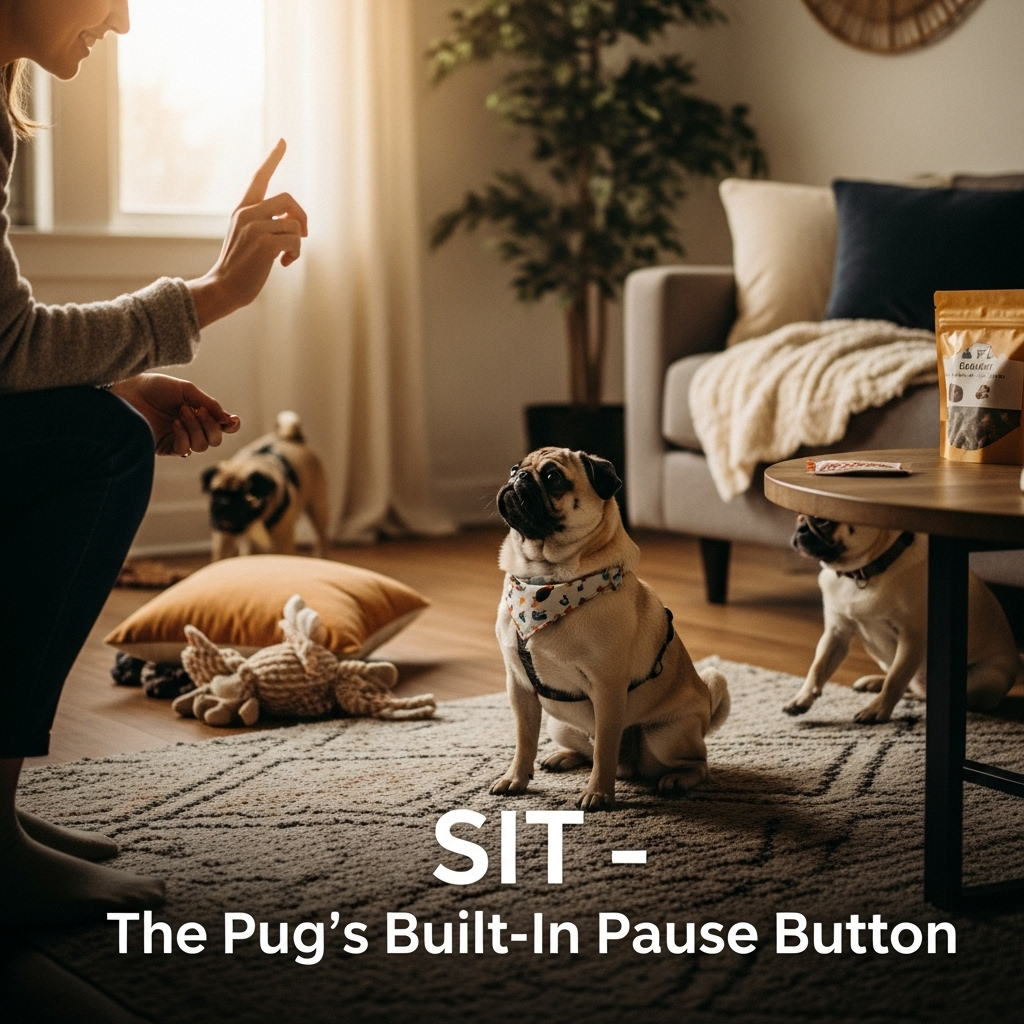
Train Your Pug at Home, Ah! the classic “sit.” It’s the first command for a reason. Teaching your dog to sit is like giving them a pause button. It tells them, “Hold up, take a second, and ground yourself.” When you’re trying to regain control during high-energy situations, such as before meals, when visitors arrive, or anytime your dog’s excitement goes from zero to chaos in 1.5 seconds, this is especially beneficial.
When they do it on cue, it also makes you look like a complete dog whisperer, let’s face it. This basic move serves as both a foundation that says, “Hey, we’ve got a language here,” and a springboard for more complex training.
2. Basic dog commands - Stay

Pug Behavior Training: “Stay” is not just a command. For you both, it’s a test of patience and trust. When your dog masters this, it’s like they’re saying, “I’ve got enough faith in you to hang tight.” Whether it’s preventing a dash out the front door or keeping them safe during a busy moment, “stay” creates boundaries. And boundaries = peace.
It takes time to build this one, especially with puppies who think standing still is a personal attack. But once they get it? Oh, it’s golden. Like, sipping-coffee-while-your-dog-stays-on-their-bed kind of golden.
3. Basic dog commands - Come
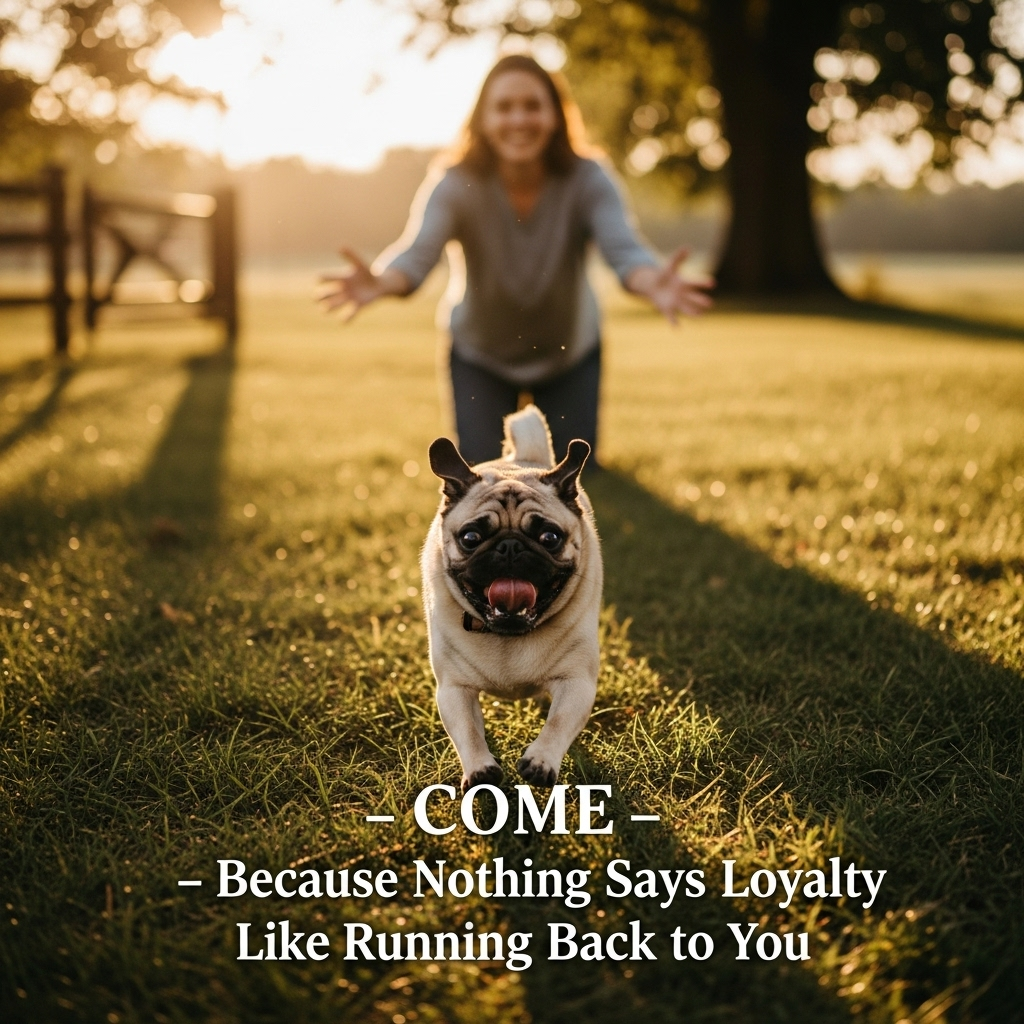
Puppy Training Tips: If your dog only ever masters one command in their entire life, let it be “come.” This is the lifeline, so it’s not an option. Whether you’re calling them away from an open gate, a speeding car, or a food scrap that might be dangerous, “come” can save their life.
And let’s be honest, there’s something deeply emotional about calling your dog and having them race back to you with their ears flapping and eyes locked on yours. That’s pure loyalty right there. Teaching “come” builds trust like nothing else. “No matter what, I’m here and I’ve got you,” it states.
4. Basic dog commands - Down
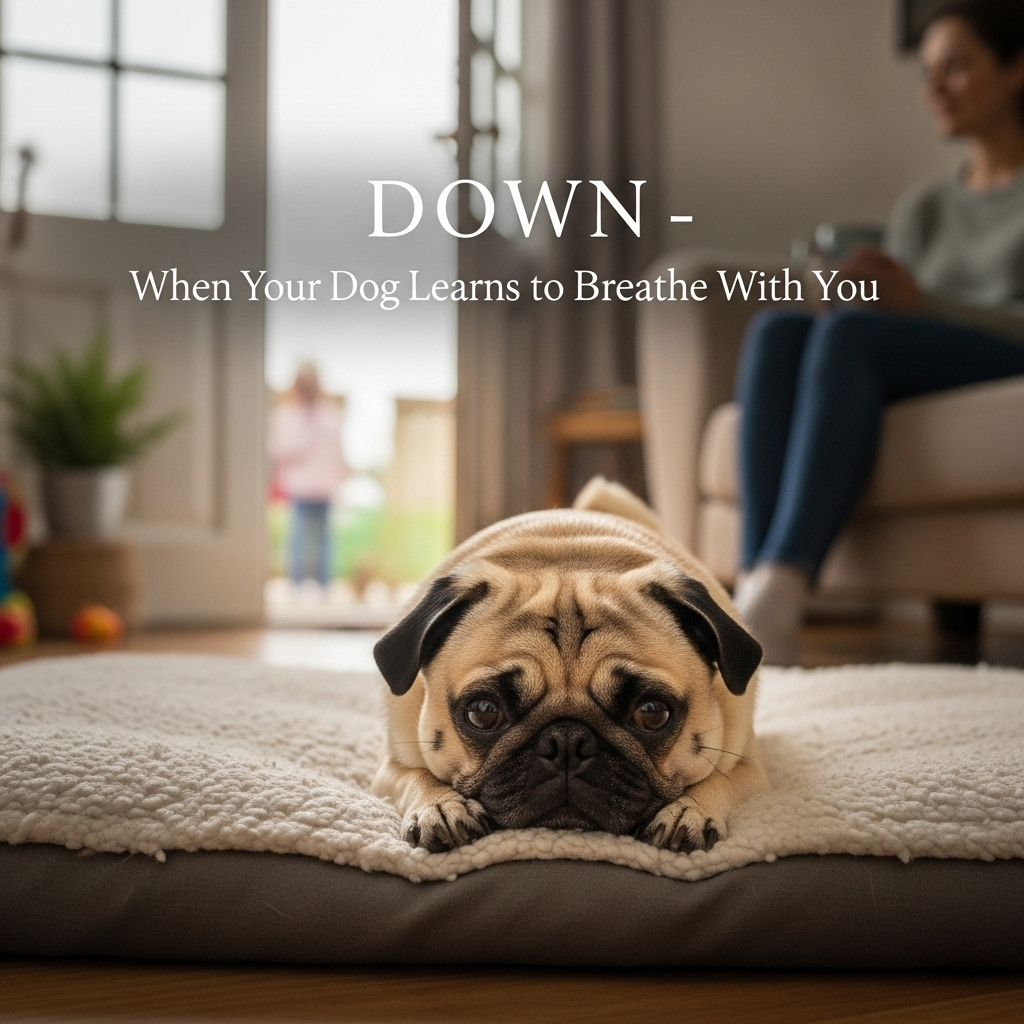
Obedience Commands for Pugs: “Down” is that deep-breath, slow-exhale command. It’s perfect for those overstimulated moments when your dog needs to chill. Like when the doorbell rings and they morph into a barking, spinning tornado. Or when you just want to cuddle, but they think it’s playtime.
Getting your dog to lie down on cue teaches patience, respect, and emotional control. Like a toddler settling down for a nap after a sugar rush, it makes them feel secure and at ease. And from your side? It’s just refreshing to have a break from all that movement.
5. Basic dog commands - Heel

Dog Training Commands: Imagine a walk where your arm isn’t getting yanked out of its socket. Glorious, right? That’s what “heel” is for. It tells your dog, “We’re walking together, not auditioning for a sled team.” It’s especially useful for large or strong dogs who love to lead the charge like they’ve got somewhere urgent to be.
Teaching heel transforms your walks from stressful sprints into bonding experiences. You’ll go from “dragged through the neighborhood” to “two buddies casually exploring the world.” And that feeling? Priceless.
6. Basic dog commands - Leave It
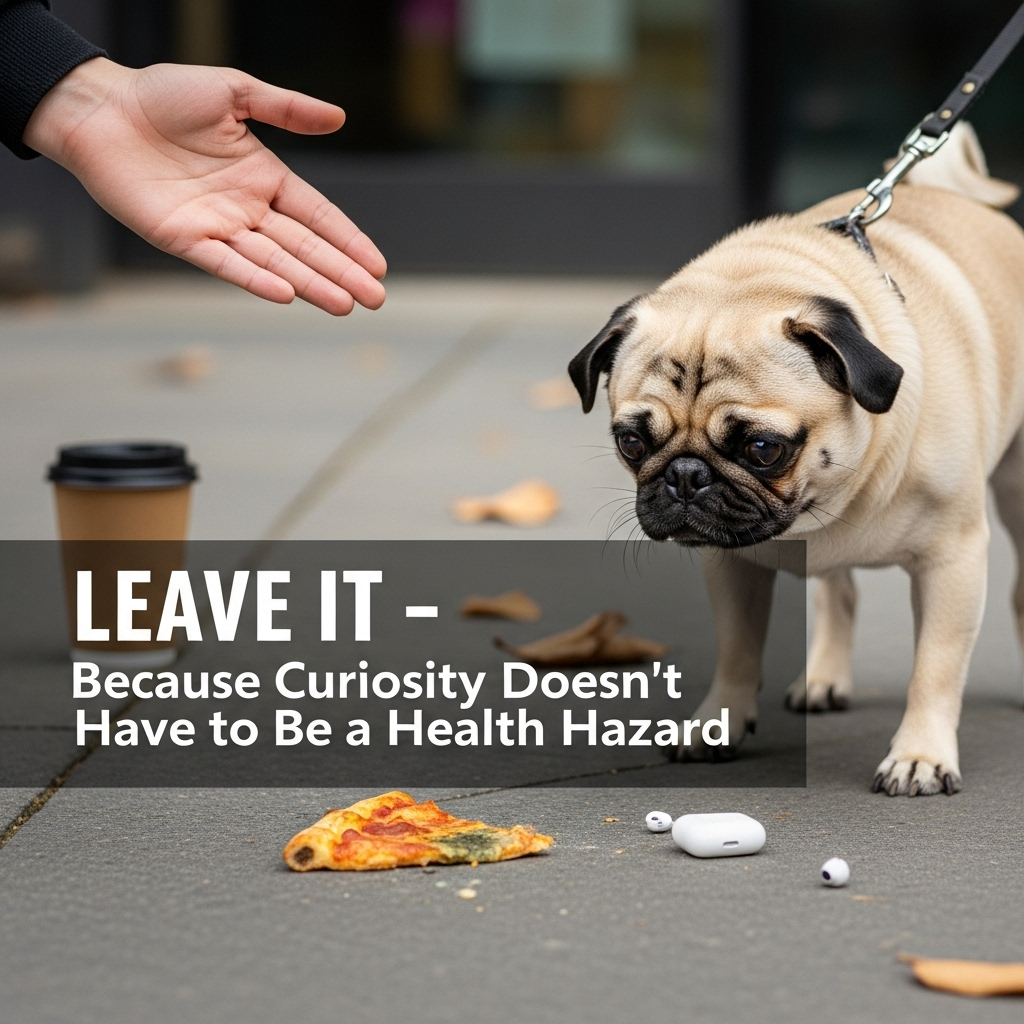
Commands every dog should know: Dogs are basically toddlers with teeth. They want to sniff, taste, and explore everything. Nothing is off limits, not even your AirPods or moldy pizza on the sidewalk. That’s where “leave it” comes in like a superhero.
This command is all about impulse control. It teaches your dog that you’re not just being a buzzkill when you say “not that,” but that you’re actually protecting them. And once they get it? You’ll breathe easier on every walk, knowing your pup won’t lunge at every mystery object they find.
7. Basic dog commands - Drop It
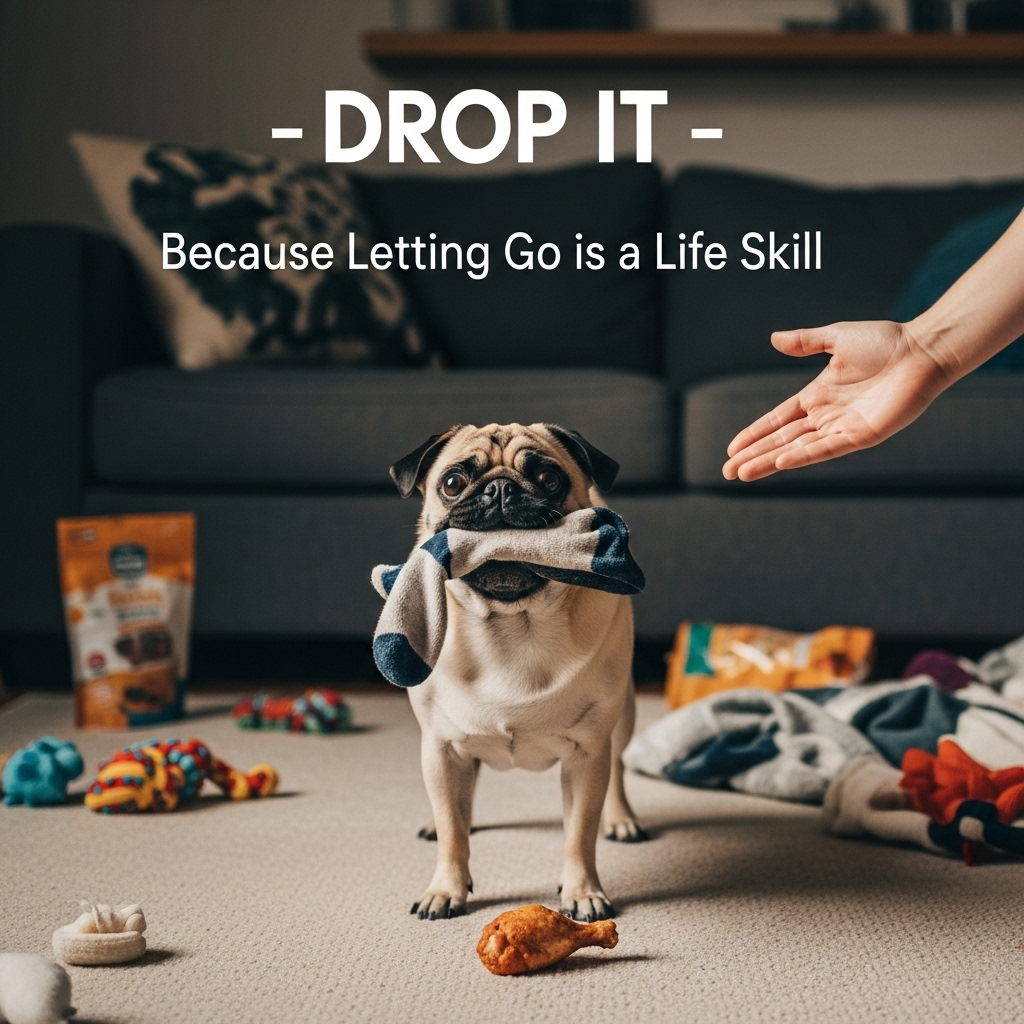
Dog Obedience Training: What should you do now that your dog didn’t leave it? Input: “drop it.” Whether it’s your favorite sock or a half-eaten chicken bone, “drop it” tells your dog, “Give that up, right now.” And trust? This one is clutch.
It’s not just about saving your stuff (although yes, that too). It’s about safety, especially when your dog picks up something toxic or sharp. Bonus? When taught well, this command builds a sense of calm surrender. Like, “Okay, I’ll give it back. No drama.”
8. Basic dog commands - Wait
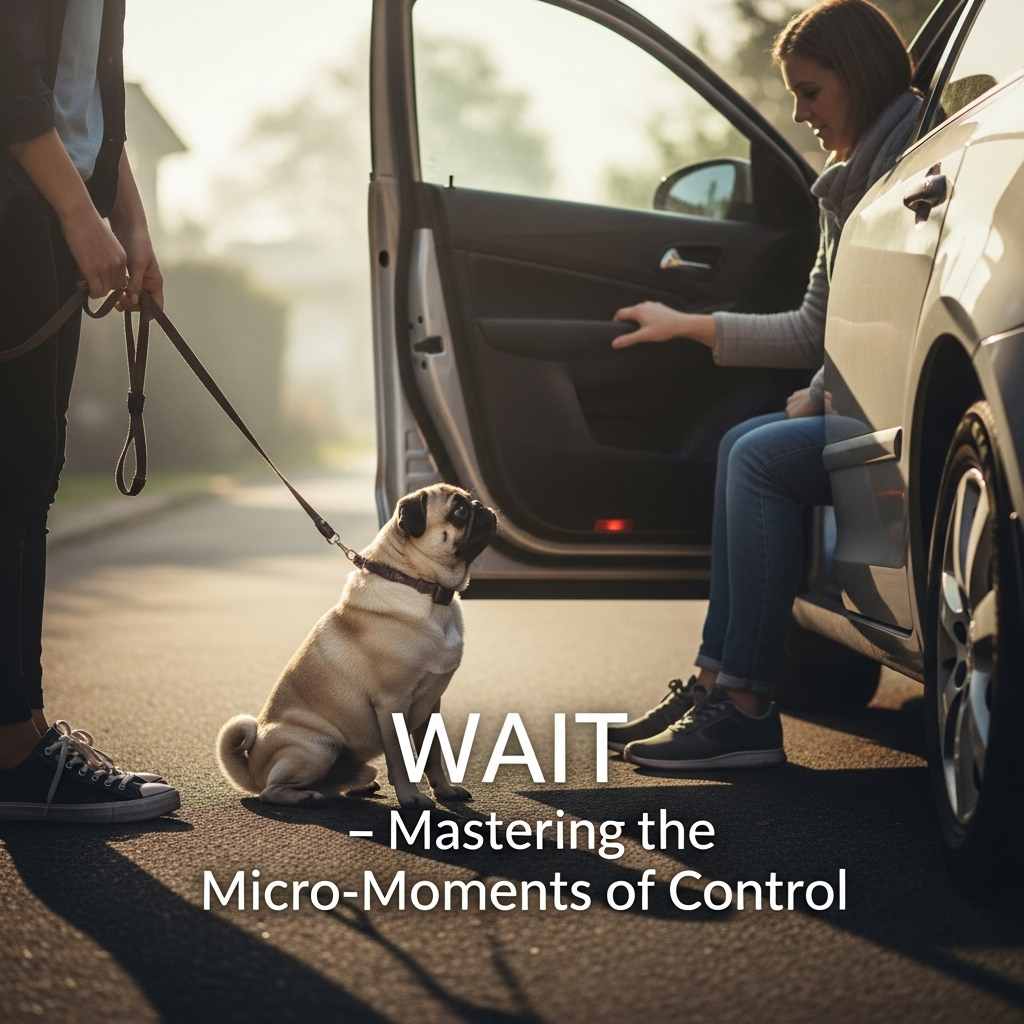
This one’s the unsung hero of the dog training world. “Wait” refers to a brief pause, as opposed to “stay.” For example, “Wait before you leave the car,” or “Ask me before touching that treat.”
It’s a way of creating micro-moments of control in everyday chaos. You’ll find a hundred uses for it once your dog learns it, whether it’s for loading into the car, preparing for a walk, or feeding time. It’s a command that says, “Slow down, buddy. Let me go first.”
9. Basic dog commands - Watch Me

Do you ever want to just lock eyes with your dog and say, “Focus, bro”? That’s “watch me.” It’s a cue for attention. A way to say, “Look at me, not the squirrel.”
This command is especially helpful for reactive or distracted dogs. It builds your connection and re-centers their energy on you. And that eye contact? Pure magic. It’s the heartbeat of every good training session.
10. Basic dog commands - Off
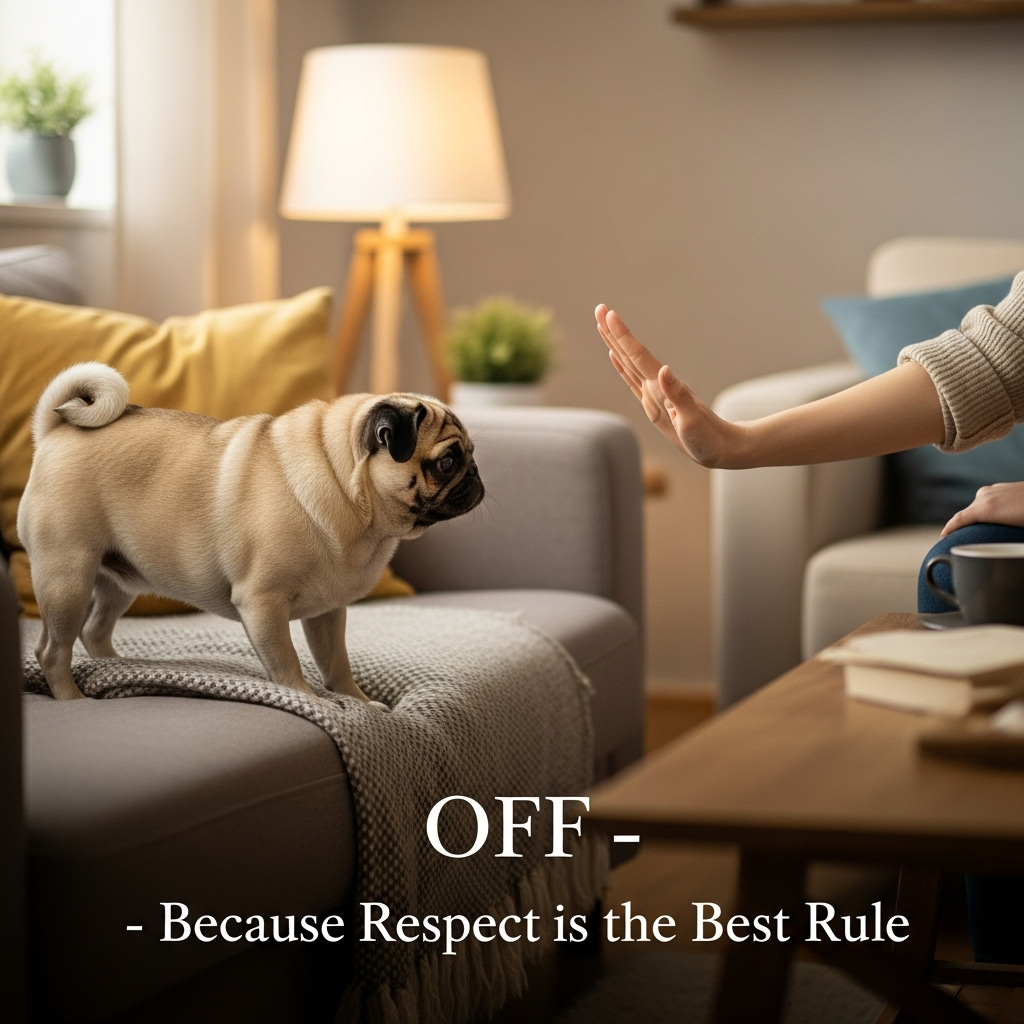
We love our dogs, but not every surface is a playground. “Off” is how you teach your pup to respect personal space. Whether it’s the couch, the kitchen counter, or your lap when you’re holding a hot drink, “off” means step away gently.
It’s clarity, not reprimands. And dogs love clarity more than we give them credit for. With “off,” you’re creating a respectful co-living situation. And your furniture will thank you.
11. Basic dog commands - No
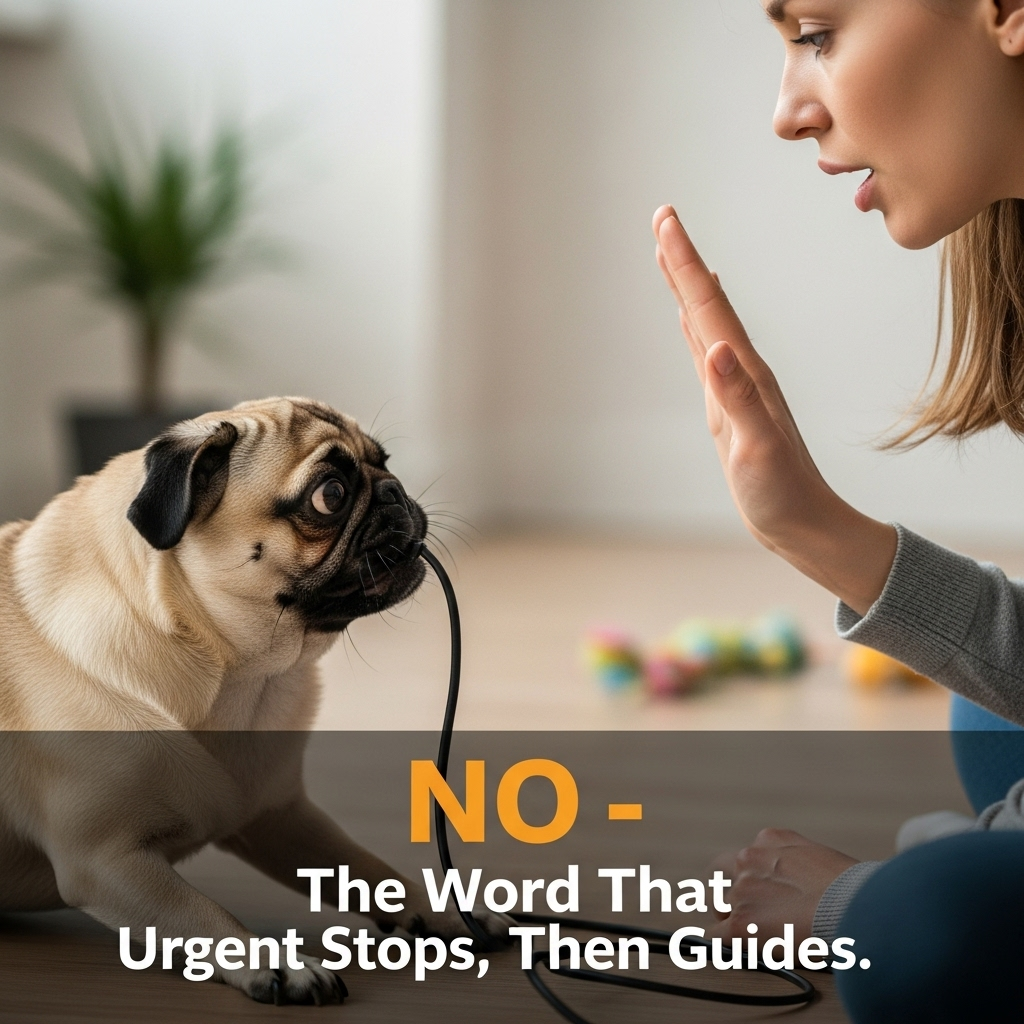
Simple, strong, and sometimes the only word you can get out in a moment of panic. “No” stops behavior right now. Don’t use it excessively, though, or it will lose its effectiveness. Save it for moments that really matter, like chewing cords or lunging at other dogs.
And don’t forget to follow it up with guidance. Because after “no,” your dog needs to hear what to do. Redirecting is more important than simply stopping.
12. Basic dog commands - Yes

Your dog wants to make you proud. “Yes” is your way of saying, “You crushed it, buddy!” Use it with excitement and joy. It marks the exact moment they get it right, and it builds their confidence like crazy.
Say it with love, with energy, with that proud-parent tone. Because dogs can feel your vibe, and a strong “yes” feels like winning the lottery in dog world.
13. Basic dog commands - Okay

Your dog waited. They stayed. They were patient. Now? “Okay” sets them free. It’s the all-clear, the green light, the cue that says, “Go live your best life now.”
Having a release word gives your training structure and boundaries. It signals to your dog when the task is finished and when it’s time to resume being a dog.
14. Basic dog commands - Go Potty
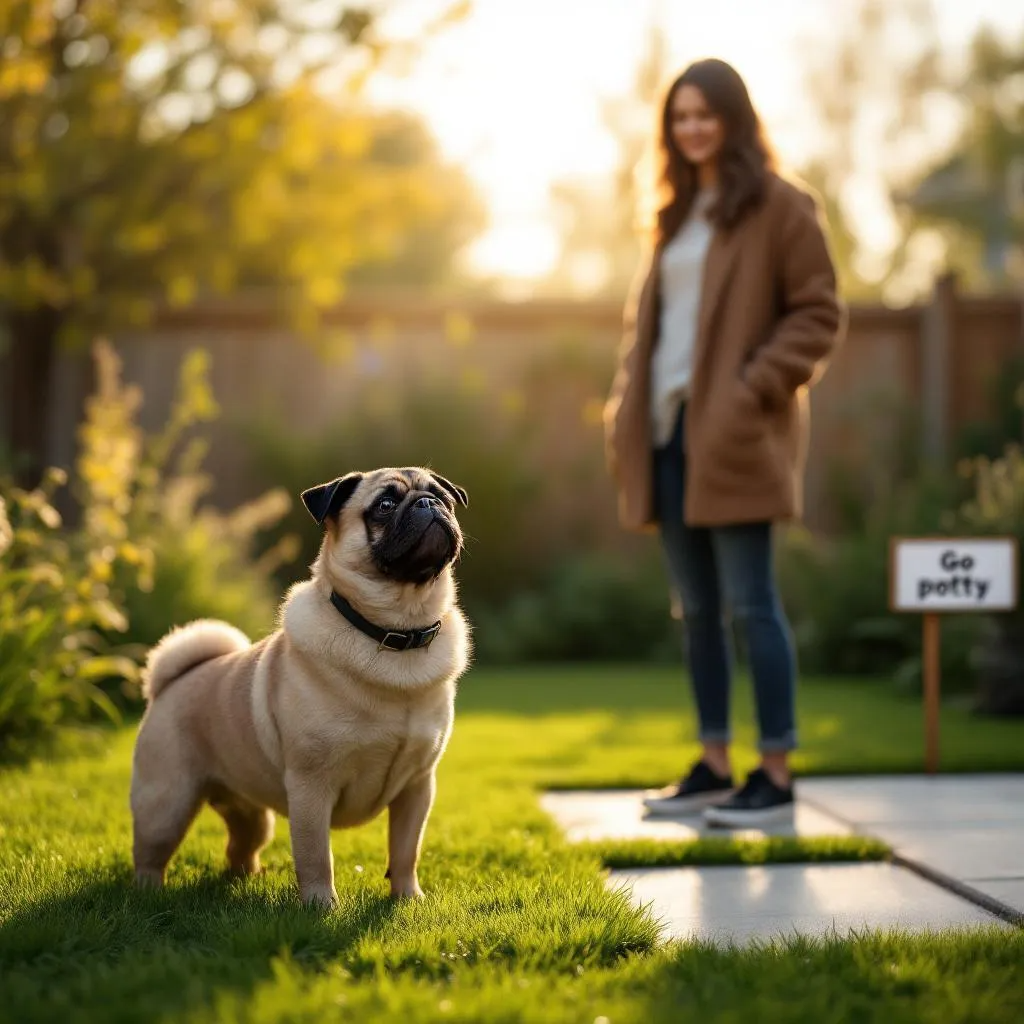
Alright, this command may seem a little strange at first, but believe me when I say that it is crucial to house training. When you consistently pair the act with a phrase, you’re creating a clear signal.
Eventually, you won’t have to guess if they need to go. They’ll get to work after you say, “Go potty.” It saves time, stress, and so many unnecessary walks.
15. Basic dog commands - Quiet
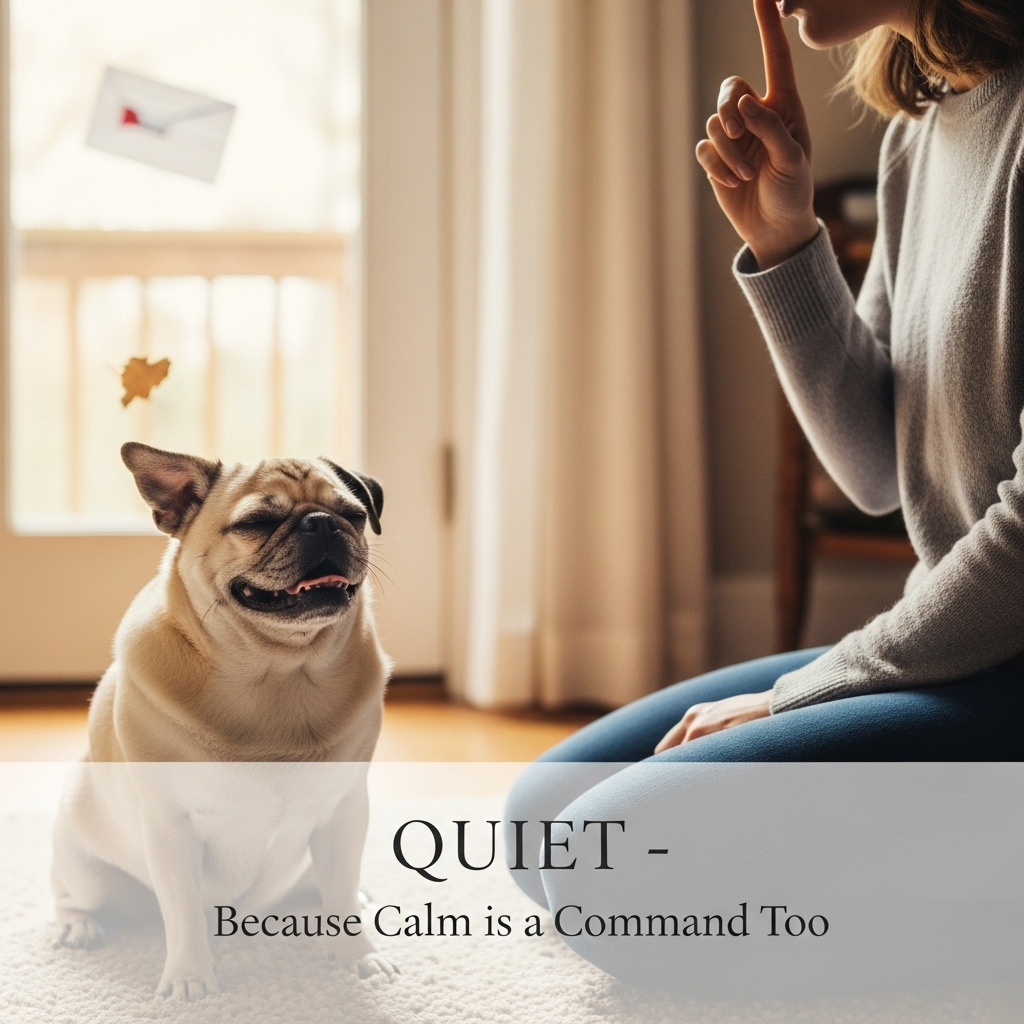
It’s okay if some dogs have a lot to say! But there are moments when you just need a little peace. “Quiet” is how you help your dog understand that it’s time to lower the volume.
It’s especially helpful for dogs that bark at everything from the doorbell to a leaf blowing by. It teaches them that barking is okay sometimes, but silence is also golden.
16. Basic dog commands - Back Up
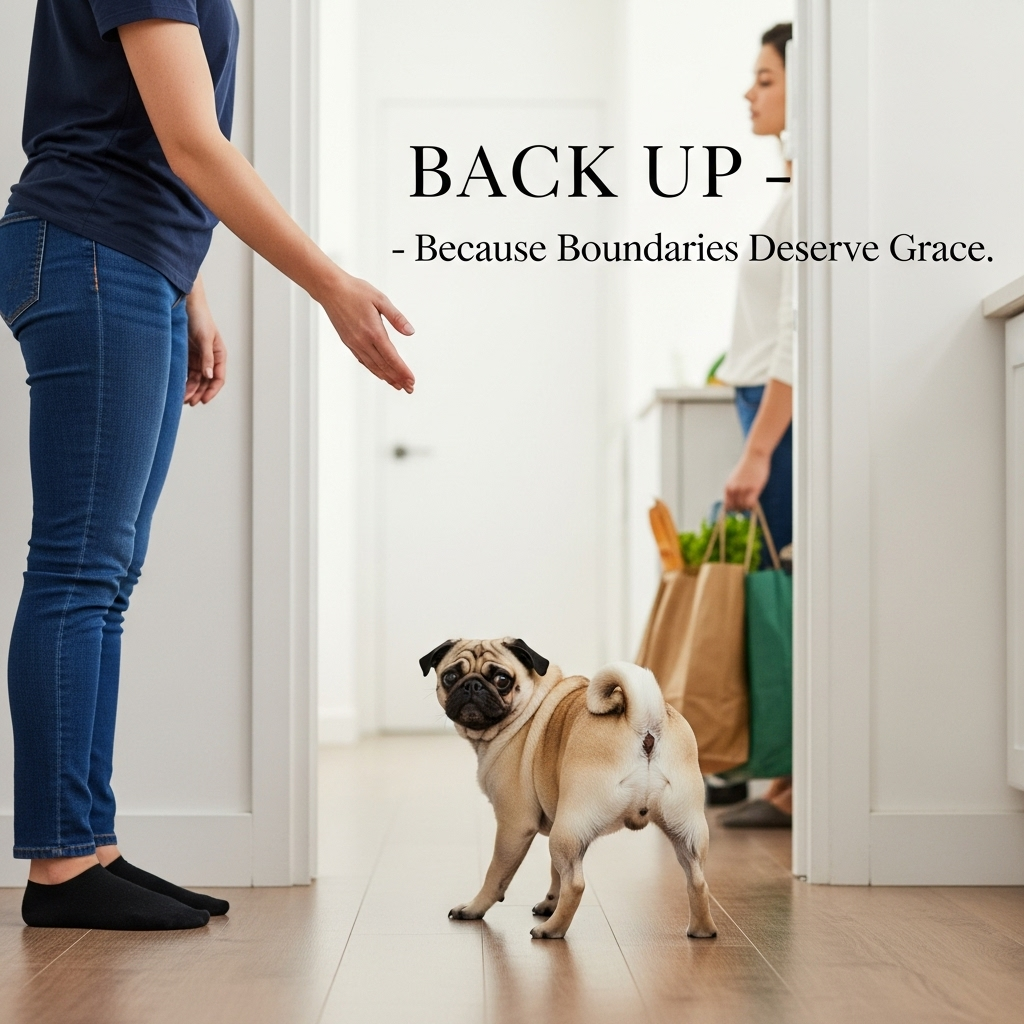
In spite of its elegant appearance, this one is incredibly useful. “Back up” makes room. Whether you’re carrying groceries, trying to get through a doorway, or training your dog to respect boundaries, it’s a total game-changer.
It’s similar to training your dog to be mindful of their body and environment and to move appropriately when necessary. Plus, it just looks cool.
Final Bark: More Than Just Tricks
Let’s wrap it up, human to human. These commands? They aren’t about turning your dog into a robot. They’re about creating a rhythm. A shared language. A mutual respect.
Training is one of the most intimate things you’ll ever do with your dog. It’s a dialogue as much as discipline. And when you take the time to teach these commands with kindness and consistency, your bond with your dog becomes unbreakable.
You are raising your best friend, not just a dog. A family member. A ride-or-die.
So grab your treats, dig deep for that patience, and start today. Your future self (and your couch cushions) will thank you. Explore more about Pug Age Calculator.
Frequently Asked Questions About Basic Dog Commands
1. What are the most crucial fundamental commands that any dog owner should impart?
Sit, stay, come, down, heel, leave it, and drop it are the most crucial basic dog commands. These directives enhance safety, foster clear communication, and transform daily chaos into composed conduct both at home and in public.
2. How long does it take to teach a dog simple commands?
With regular daily training, most dogs can pick up basic commands in a matter of weeks. While adult dogs may take a little longer to learn, puppies typically pick things up quickly. Patience, repetition, and positive reinforcement are crucial.
3. Can elderly dogs still pick up simple commands?
Indeed, it is possible for older dogs to learn simple commands. Age does not prevent learning. Senior dogs can become more obedient and self-assured with clear cues and rewards.
4. How many times a day should I train my dog?
It is best to train your dog for five to fifteen minutes every day. Short training sessions make learning more fun for both of you and help your dog maintain focus.
5. How should basic dog commands be taught?
Giving them play, praise, or treats makes it easier for them to understand what behavior you want and motivates them to repeat it.
6. Why does my dog obey me at home but disregard me outside?
Dogs are not accustomed to following instructions in unfamiliar settings. When outside distractions like sounds and smells are present, training becomes more challenging. If you practice commands in different contexts, your dog will learn to listen anywhere.
7. Do I have to train my dog with treats all the time?
No. Treats are beneficial in the early stages of training, but they should eventually be cut back. Praise, toys, and real-world rewards are equally effective once your dog has grasped a command.
8. What should I do if my dog disobeys me?
It usually indicates that the training is too challenging or distracting if your dog disobeys commands. Use higher-value rewards, simplify the situation, and give clear, consistent cues.
9. Do hand signals outperform spoken commands?
Hand signals are frequently easier for dogs to understand and can be very effective. For improved communication, many owners use both verbal commands and hand signals.
10. How many commands should I teach at once?
One or two commands should be taught at a time. You can move on to new commands without confusion once your dog consistently complies with those.
11. Do puppies and adult dogs receive different training?
While adult dogs do well with structure and consistency, puppies do benefit from shorter sessions and frequent rewards. With the correct method, both can learn basic commands with success.
12. What is the most crucial basic dog command for safety?
One of the most crucial commands for safety is “come.” You can avoid mishaps and feel secure in unforeseen circumstances with a trustworthy recall.
13. Can behavior issues be resolved with simple dog commands?
Indeed. Lack of structure is the root cause of many behavioral problems. Teaching fundamental commands increases concentration, lowers anxiety, and helps stop destructive behavior like pulling and jumping.
14. Does teaching basic dog commands require a professional trainer?
Although they are not necessary, professional trainers can be beneficial. Many dog owners use positive reinforcement and regular practice to successfully train their dogs at home.
15. What typical errors cause dog training to lag?
Repeating instructions, training for extended periods of time, skipping rewards, and anticipating results too soon are common errors. Long-term success comes from perseverance and consistency.
16. When will my dog start acting more calmly?
After a few weeks of consistent training, the majority of owners observe calmer behavior. Everyday life becomes more predictable, tranquil, and pleasurable as your dog learns basic commands.
- Quisque aliquet nibh sit amet lectus
- Nulla at metus ultricies, placerat augue
- Curabitur mollis ex vestibulum
- Quisque aliquet nibh sit amet lectus
- Nulla at metus ultricies, placerat augue
- Quisque aliquet nibh sit amet lectus
- Quisque aliquet nibh sit amet lectus
- Curabitur mollis ex vestibulum